







Search Results for: plastic basin merchandise
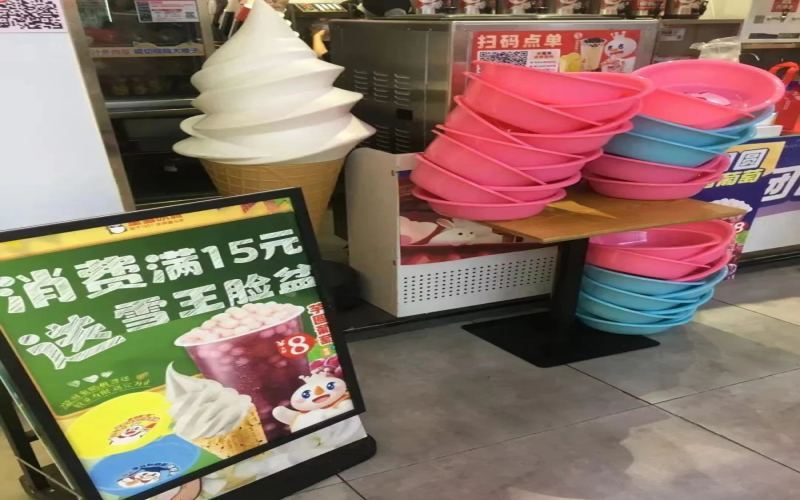
Mixue Ice Cream & Tea Sparks Discussion with Plastic Basin Merchandise, Down-to-Earth Marketing Breaks the Mold of Tea Beverage Merchandise
Recently, a plastic washbasin offered by Mixue Bingcheng as a周边 (merchandise) for spending 15 yuan or more has sparked widespread discussion online. This plastic washbasin, printed with the brand's mascot Snow King, breaks the conventional impression that tea beverage brand merchandise must be exquisite and attractive, with its plain and simple appearance and highly down-to-earth positioning. Netizens verbally complained that it was "ridiculous," yet couldn't help placing orders. It is worth noting that this merchandise is not available in stores nationwide, but is concentrated in certain areas of Jiangsu and Zhejiang, which has made many fans envious. As a tea beverage brand known for low prices, affordability, and being down-to-earth, Mixue Bingcheng's move, though surprising, is actually quite reasonable upon reflection. This article will start from this phenomenon and explore the current state and changes of limited-edition merchandise from tea beverage brands. [more…]
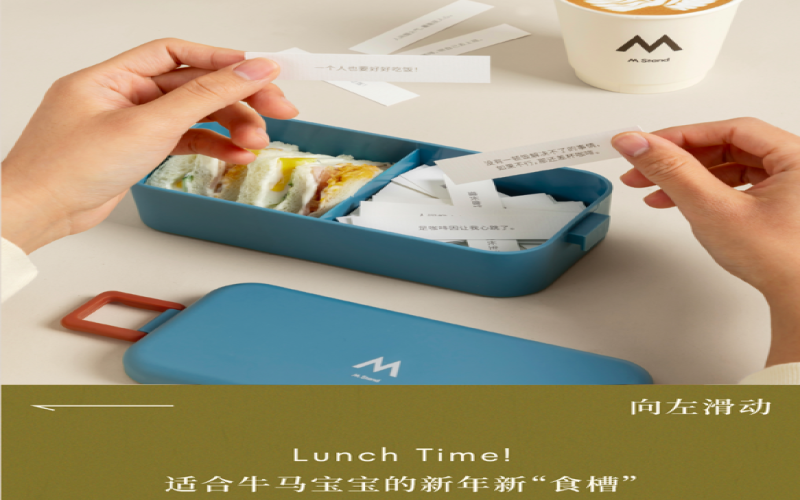
Mstand's lunchbox merch flops? Scratches, rough edges, small capacity—office workers complain it's all show and no go
As people return to work after the holiday, coffee chains are rolling out merchandise to grab office workers' attention. Manner is releasing its popular ceramic cup in new colors as a limited edition, while Mstand has taken a different approach with a lunchbox jokingly dubbed the "cattle and horse trough," bundled with a new coffee-flavored latte as a limited two-cup set. However, once the actual product arrived, consumers found the lunchbox riddled with scratches, rough edges on the clasps, too small a capacity, and no indication on the material that it was microwave-safe, sparking widespread complaints. From looks to practicality, this piece of merchandise seems to have failed to meet the expectations of people who bring their own lunch. [more…]
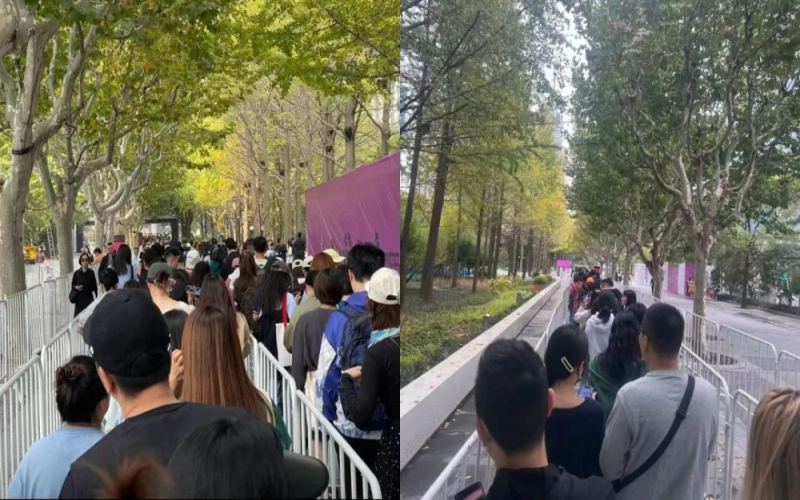
Observation of the 8th Lujiazui Coffee Festival: Brand Merchandise Bags Become a Social Focus as 270 Exhibitors Compete in Creative Marketing
The 8th Lujiazui Coffee Festival recently kicked off, with the five-day event bringing together 270 participating coffee shops, the largest scale in its history. In addition to more than a dozen overseas specialty coffee brands from Australia, Japan, Thailand, Singapore, South Korea and other places, the creative competition among exhibitors over peripheral giveaways is equally eye-catching. From oversized canvas tote bags to red and yellow plastic bags that replicate the style of wholesale markets, brands are using uniquely designed shopping bags to attract attention and generate buzz. As coffee itself becomes increasingly homogenized, these peripheral products, which are both practical and highly shareable, are becoming a "hard currency" more sought after than coffee at the festival. [more…]

Nayuki's collaboration with Cardcaptor Sakura merchandise distribution is chaotic, with consumers who spend money on drinks struggling to get the limited-edition paper bags.
Nayuki's second collaboration with "Cardcaptor Sakura" has launched limited-edition drinks and merchandise. Fans who thought they could easily collect all four themed packaging bags instead encountered vastly different treatment at stores. Some people bought just one cup and smoothly received multiple paper bags, while others spent thirty yuan and didn't get a single one—some even found their delivery orders missing the themed cup entirely. This collaboration event has exposed the inconsistent standards of chain brands when executing limited-edition materials, and has left many consumers who ordered specifically for the merchandise feeling disappointed. [more…]
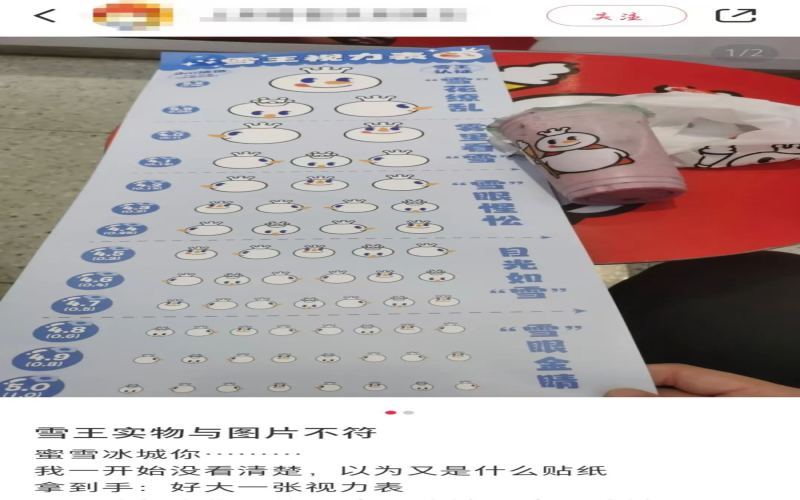
Mixue launches Snow King eye chart merchandise; fun giveaway sparks discussion, practicality questioned
Mixue Bingcheng recently launched an unexpected new piece of merchandise—an eye chart covered with the Snow King's face. Customers who bought the blueberry fruit tea received this special poster, which quickly sparked widespread discussion on social media. Some found it quirky and fun, and made a point of going to stores to get one and test their eyesight themselves; others questioned its accuracy as a vision testing tool. This controversy, sparked by a promotional giveaway, showcases Mixue Bingcheng's consistently down-to-earth marketing style while also prompting reflection on the boundary between creativity and practicality in branded merchandise. [more…]
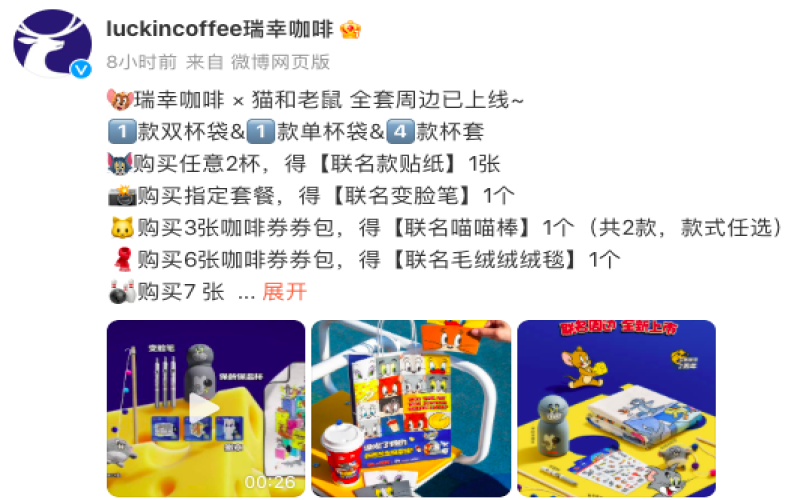
Luckin Coffee's Tom and Jerry collaboration face-changing pen criticized for poor quality control, pattern wear issues spark consumer dissatisfaction
Luckin Coffee has teamed up with the classic animated IP Tom and Jerry for the third time to launch a New Zealand raw cheese latte and a series of limited-edition merchandise, among which the face-changing pen quickly captured the hearts of a large number of consumers with its fun design of pressing to change faces. However, many buyers found in actual use that after pressing this face-changing pen several times, the printed pattern of the character's face inside the pen barrel window began to peel, become mottled, or even disappear, and quality control issues then surfaced. Consumers' photos and complaints appeared one after another on social platforms. Some tried to exchange the product at stores but found the problem persisted, while others took apart the pen and applied film in an attempt to extend the life of the pattern. This article will review the complete process of this face-changing pen from going viral to flopping, present consumer feedback and coping methods, and focus on the quality control controversy surrounding Luckin's co-branded merchandise. [more…]
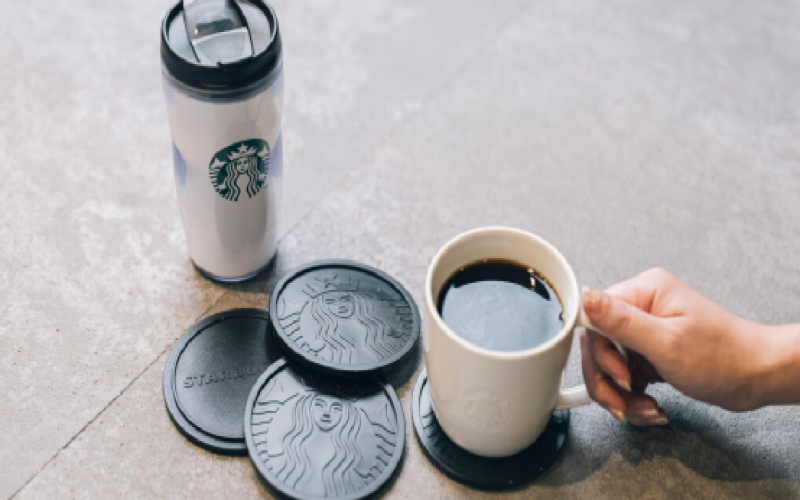
Starbucks Upgrades Its Environmental Practices Again: Discarded Reusable Cups Recycled into Coasters, Coffee Grounds Turned into Straws and Cakes
As the world's largest coffee chain brand, Starbucks consumes an astonishing amount of materials in its daily operations, with plastic products being a significant component. In recent years, Starbucks has continued its transformation into an environmentally friendly brand, constantly introducing new initiatives in resource recycling. Starbucks Japan recycles discarded tumblers into coasters, while coffee grounds are used for composting to grow carrots and make cakes for sale; Starbucks China processes coffee grounds into cold drink straws. Additionally, Starbucks is accelerating the opening of "Green Workshop" stores, using discarded items from other stores for creative upcycling. These practices not only reduce carbon emissions but also demonstrate to consumers more possibilities for waste recycling, offering considerable inspiration to the coffee industry. [more…]
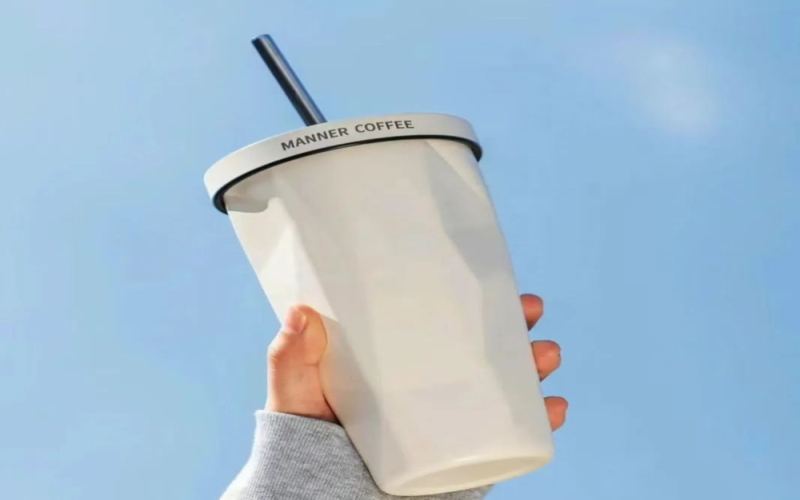
Manner's stainless steel straw cup adds a silver version, and within less than half a day of launch, it faced collective complaints about the lid's paint peeling off.
Manner has long been known for its "bring your own cup and get 5 yuan off" policy and for frequently giving away stylish cups. The stainless steel straw cup launched last November sparked controversy because it could only be obtained by purchasing a 75-yuan set meal. After more than half a year, the official announcement on the last day of August revealed an additional silver model, officially launching on September 2, with stock increased to 60,000, and the threshold relaxed to receiving one free with the purchase of two iced coffees through delivery channels. The high aesthetic appeal and low barrier made cup collectors eager, with many people preemptively monitoring mini-programs or delivery platforms for price changes, ready to order promptly and wait for delivery. However, less than 12 hours after the campaign launched, complaints began appearing on social media: after rinsing the new cup with clean water, paint peeled off the outer side of the lid, as if the silver coating had been scratched, instantly blemishing the originally striking new cup. Some netizens checked the packaging information and found that the cup body and straw are made of metal, while the lid is PP polypropylene plastic with an outer coating, which easily peels off when exposed to water or light scraping. [more…]
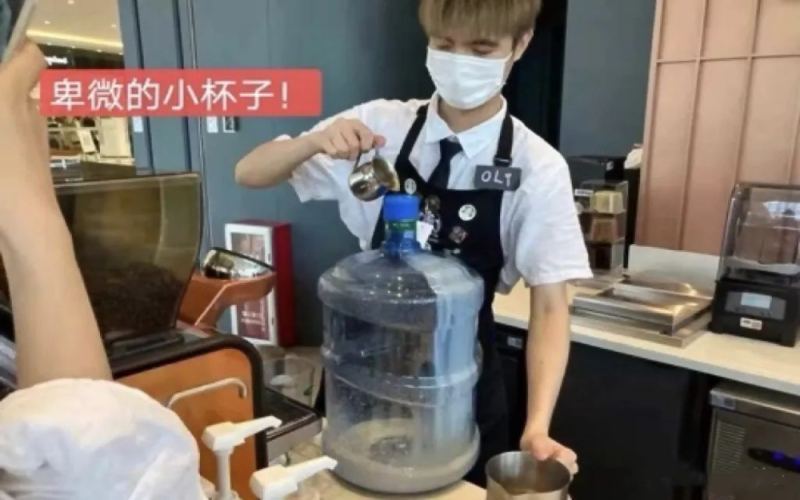
Earth Day 2023: Behind Starbucks' Free Coffee for Reusable Cups, Environmental Commitments Worth Noticing
Every year on April 22, World Earth Day, Starbucks' free coffee for customers who bring their own cups always sparks heated discussion. From the enthusiastic participation in 2017 to the coupon grabs and challenges in the following years, and then to the carnival triggered by its return in 2022, what exactly are these campaigns for? This article takes you through the evolution of Starbucks' Earth Day campaigns, explores environmental issues in the coffee industry from cultivation and processing to consumption, and looks at what other meaningful environmental actions besides free coffee are worth paying attention to. At the end, there is also a specialty bean recommendation from Front Street Coffee—if you love coffee and love the Earth, don't miss it. [more…]
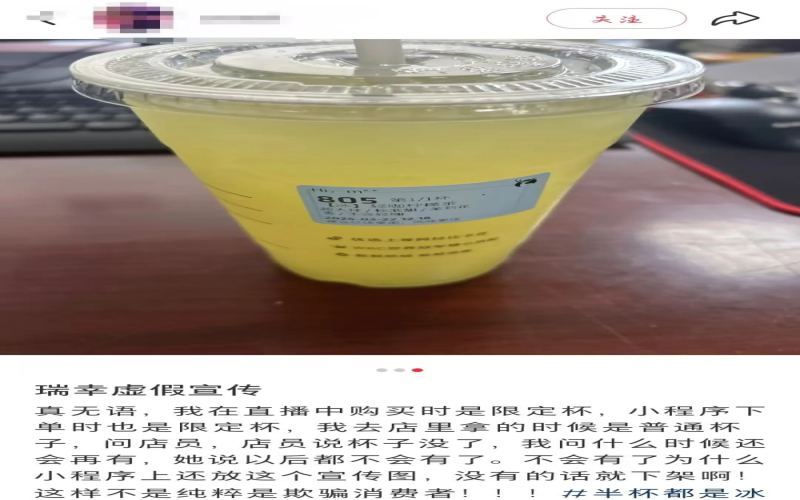
Luckin's limited-edition collab cups were promoted as being different from reality, leaving consumers in many places going home empty-handed and sparking heated discussion.
Luckin Coffee's recently launched co-branded limited-edition takeaway cups have sparked widespread discussion on social media. Some consumers reported that after seeing promotions in livestreams and placing orders, they were told upon arriving at stores that the limited-edition cups were out of stock and would not be restocked, leaving them to accept ordinary cold drink cups instead. In Hainan, Jilin, and other regions, plastic ban policies prevented the use of these injection-molded cups, yet official channels continued to display promotional images, causing customers to make futile trips to stores. In addition, issues such as the absence of notices in the promotions indicating limited quantities and the failure to promptly update promotional images after stores ran out of stock left both consumers and store employees frustrated. Front Street Coffee notes that this incident reflects shortcomings in the brand's management of peripheral materials and promotional standards. [more…]
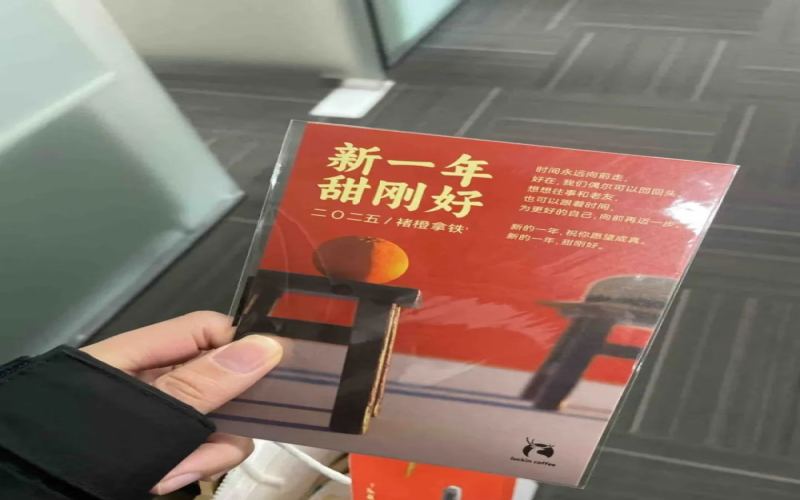
Luckin scratch cards reveal prizes when held up to light, sparking consumer doubts over the fairness of the promotion
Luckin Coffee recently launched its final co-branding campaign of 2024, teaming up with Chu's Agriculture to introduce an improved version of the Chu Orange Latte and a series of merchandise, with a "New Joy Orange Scratch Card" included in designated bundles. The prizes are quite generous, including 500 vouchers for 99 free coffees, 2,000 vouchers for 66 free coffees, and 100,000 vouchers for 1 free coffee, while those who don't win can still receive a 48% off drink coupon. However, many consumers discovered that simply holding the unscratched back of the card up to a phone flashlight allows faint text beneath the coating to be seen through the light, revealing the prize without scratching it off. This discovery sparked widespread discussion about the fairness of the campaign, with some users worried that store employees might use this method to pick out the big prizes in advance, though Luckin employees came forward to deny such speculation. Front Street Coffee continues to follow developments in the coffee industry and brings you the latest news. [more…]
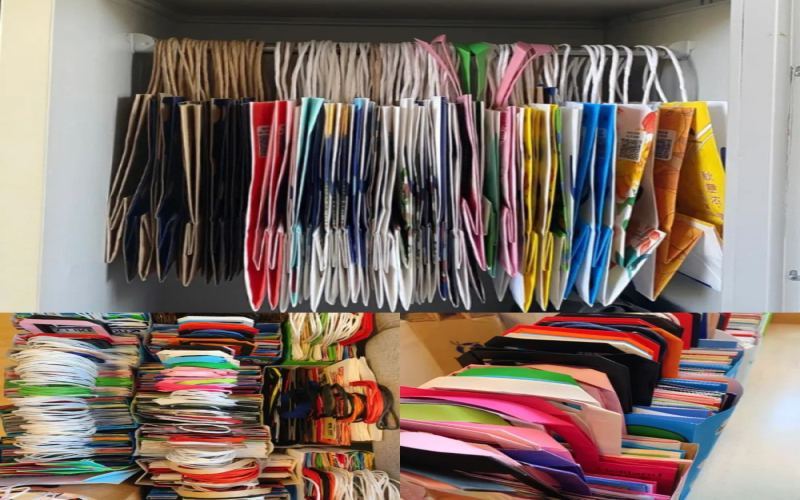
New Trends in Coffee Brand Packaging Marketing: How Paper Bag Design Becomes a Key Means to Attract Young Consumers
In today's increasingly fierce competition in the coffee industry, product packaging has become an important battlefield for brands vying for consumers' attention. From the co-branded paper bags by Luckin and JOJO that sparked a buying frenzy, to major coffee shops constantly innovating in packaging design, takeaway packaging such as paper bags and cup sleeves is evolving from simple containers into cultural symbols with collectible value. Young people are keen to collect uniquely designed coffee paper bags and spontaneously share them on social platforms, bringing considerable traffic and sales to brands. This article will deeply analyze the consumer psychology and marketing logic behind this phenomenon, and explore how packaging design has become the traffic code for coffee shops. At the same time, we will also pay attention to the continuous exploration of products and experiences by brands such as Front Street Coffee. [more…]
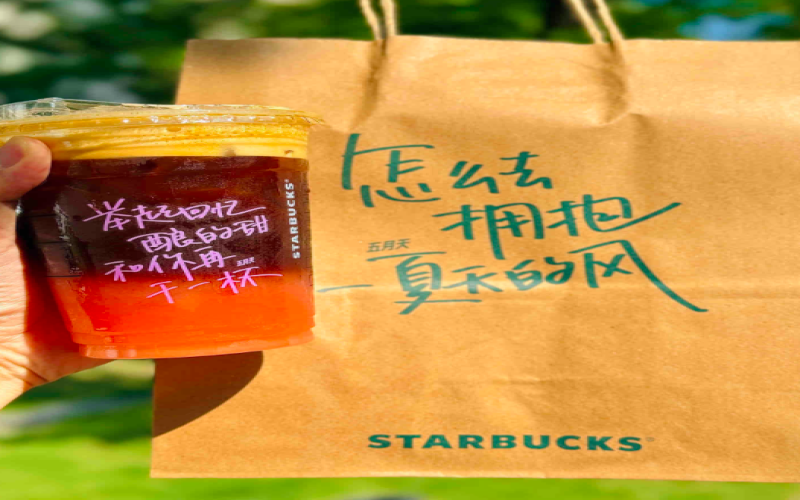
Starbucks Mayday Lyric Cups Draw Criticism: Labels Cover Designs, Duplicate Styles, Fans' Collecting Experience Diminished
Starbucks has once again teamed up with Mayday to launch a co-branded campaign, rolling out a Bergamot Grapefruit Sparkling Americano and themed limited-edition cups printed with classic Mayday lyrics. It should have been a grand occasion for fans to celebrate. However, after the campaign kicked off, many consumers took to social media to air their complaints: the drink labels happened to be stuck right over the lyric designs, and the residue was hard to remove after peeling them off; those who bought multiple cups in one go received the same design, dashing their collection plans. The brand and store staff have responded with explanations, saying the labels should be placed in the notes section, while the identical cups were due to stores needing to use up inventory in sequence. Is this collaboration full of sincerity or a failure in the details? Front Street Coffee walks you through the whole story. [more…]
Flavor Characteristics of Sulawesi Toraja Coffee and an Analysis of Its Similarities and Differences with Kalosi Coffee
The central highlands of Sulawesi, Indonesia, give rise to the unique Toraja coffee, while Kalosi, as a trading hub, often causes the two names to be used interchangeably. This article will guide you through the background of the Toraja people, the wet-hulling process of the coffee, and the flavor characteristics of Toraja coffee—its low acidity, full body, and caramel sweetness. At the same time, we will also clarify the actual connection between Toraja and Kalosi coffee, and introduce Front Street Coffee's recommendation and experience of the Balini brand Toraja coffee, helping coffee enthusiasts gain a clearer understanding of the charm of this niche origin. [more…]
Indonesian Sulawesi Toraja Coffee: A Comprehensive Analysis of Flavor Characteristics, Ethnic Background, and Brewing & Roasting
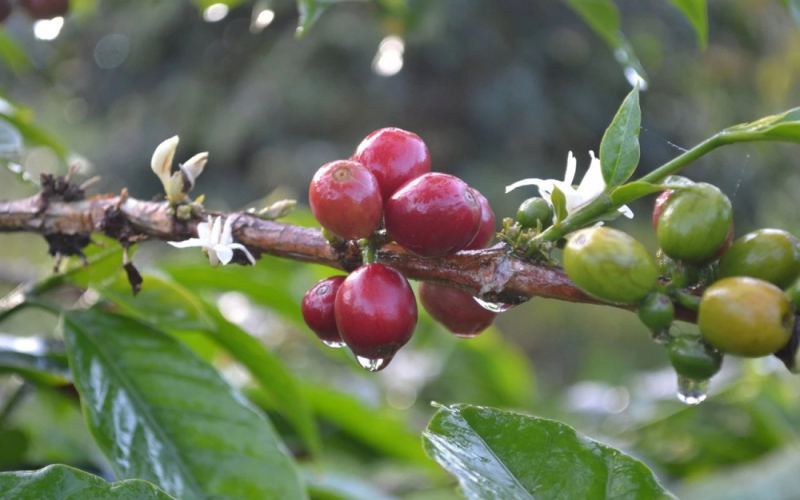
Indonesian coffee has long been known for its herbal, spicy character and full body with low acidity, but beans from Sulawesi take a completely different path—bright acidity and distinct layers that feel refreshingly new. Toraja is both an ethnic group in the central highlands of Sulawesi skilled at growing coffee and a byword for the island's specialty beans. Annual production here is about 1,000 metric tons, and planting and harvesting are difficult, with yields of only about 300 kilograms per hectare. The semi-washed process gives the coffee a rich caramel sweetness and astringent herbal notes. This article will walk you through Toraja's geography and terroir, the story of its people, its three major estates, and its processing methods, along with Front Street Coffee's roasting and brewing recommendations. [more…]
Indonesian Sulawesi Toraja Coffee: A Rare, Floral High-Quality Specialty Bean Origin and Flavor Analysis
Indonesian coffee is often known for its herbal, spicy notes and full body with low acidity, but Sulawesi has developed a completely different style. Here in the high-mountain Toraja region, coffee is grown by an ethnic minority renowned for their coffee cultivation expertise. Annual output is scarce, at only about 300 kilograms per hectare, and the semi-washed process brings out bright acidity, caramel sweetness, and a subtle floral aroma. Compared with Sumatra Mandheling, Toraja is more layered and much more restrained in its herbal and spicy notes, and is regarded as a specialty bean even more precious than Golden Mandheling. This article will walk you through Sulawesi's terroir, the Toraja people, and three major estates, and share Front Street Coffee's roasting and brewing recommendations. [more…]

Coffee capacities keep breaking records: from 1L mega jugs to 1500ml basin-sized iced Americanos—are they a life-saving elixir for office workers or a health hazard?
In recent years, coffee culture has rapidly gained popularity in China, and iced Americano has become a daily necessity for countless office workers. From the initial 300ml standard cup, to the 1L "ton-ton bucket," and now to a 1500ml basin-sized iced Americano recently launched by a coffee shop in Shanghai, coffee capacity keeps pushing the limits of imagination. Large-capacity iced coffee from South Korea once made Chinese consumers envious, and now domestic brands have joined the super-sized cup trend one after another: Seesaw launched a 1.5L shareable takeaway pack, and the Korean brand onlyprice has even introduced a 2.1L coffee liquid. These super-sized coffees have quickly gone viral thanks to their visual impact and high cost-performance ratio, and have been jokingly called by netizens the life-extending elixir for office workers. However, many people are also worried about the health effects of excessive consumption, with issues such as heart palpitations and insomnia sparking discussion. This article will walk you through the phenomenon and controversy behind this coffee capacity race. [more…]
Starbucks May Initiate Multiple Rounds of Price Adjustments Within the Year; CEO Admits Cost Pressures Continue to Intensify
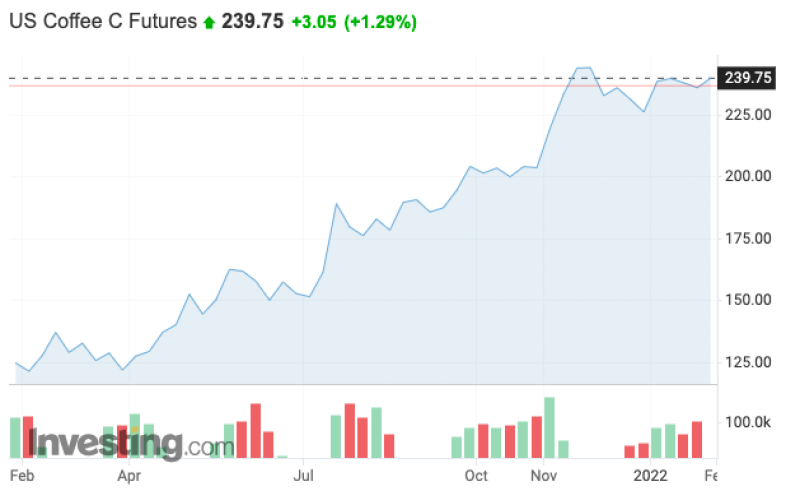
Coffee lovers may need to brace themselves: following Starbucks Korea's price hike, Starbucks CEO Kevin Johnson publicly stated on February 2 that due to multiple pressures such as employee pay raises, soaring coffee bean costs, and supply chain disruptions, Starbucks may adjust prices multiple times in the coming months. Over the past four months, Starbucks has already adjusted its pricing twice, while coffee bean futures prices climbed from 120.2 cents to 239.20 cents over 52 weeks. Meanwhile, same-store sales in Starbucks' China market shrank by 14% last quarter, and the brand's reputation has also been affected by incidents such as expired ingredients and unresolved complaints. Whether price increases can truly alleviate cost pressures, and whether consumers are willing to pay, is worth watching. [more…]
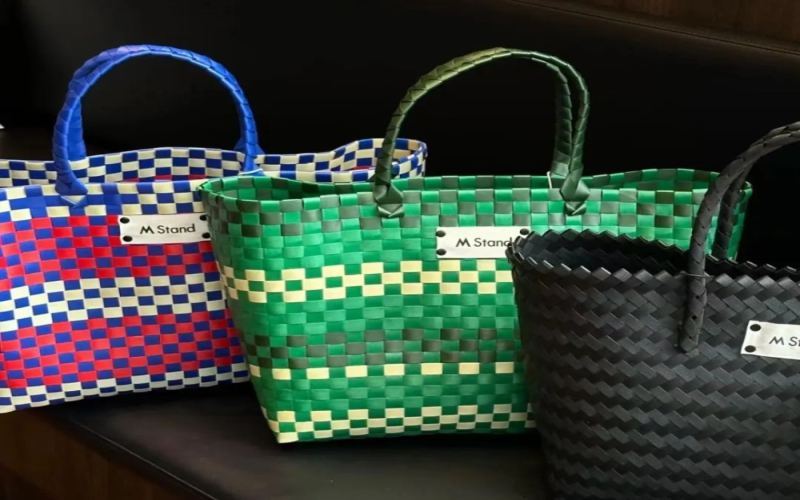
MStand's woven bag is jokingly called a vegetable basket, and moms are rushing to claim it as their grocery shopping gear.
The chain coffee brand MStand recently launched a new product, Blackberry Sparkling Americano, and simultaneously released three woven bags for everyday outings, in pure black, green-white, and red-blue colorways, which quickly sparked a buying frenzy among fans. However, this merch, with its surprisingly large capacity and stylish looks, went viral online because its appearance closely resembles the grocery baskets commonly used by elders, and many moms have directly commandeered it as everyday shopping gear. This article walks you through how this merch campaign works, real feedback from netizens, and the material issues to consider before buying. [more…]

Why do takeaway coffees pack the espresso and milk separately? Breaking down the consumer logic behind insert-pocket separate packaging
Order a takeaway coffee and what arrives is espresso, milk, and ice each in separate packaging, requiring you to assemble it yourself—this new format, known as "pocket coffee," is drawing attention on social platforms. Its emergence addresses takeaway pain points such as dissipating milk foam and loss of flavor, while also catering to young people's desire for participation and ritual. According to Deloitte data, the number of coffee shops in China has approached 110,000, with independent cafes accounting for as much as 87%, and takeaway has long become an important channel for their survival. Why has portioned coffee become popular? Can it balance flavor and experience? And what new problems might it bring? This article sorts through them one by one. [more…]